
Leaving Home for Months? It's Easier Than You Think
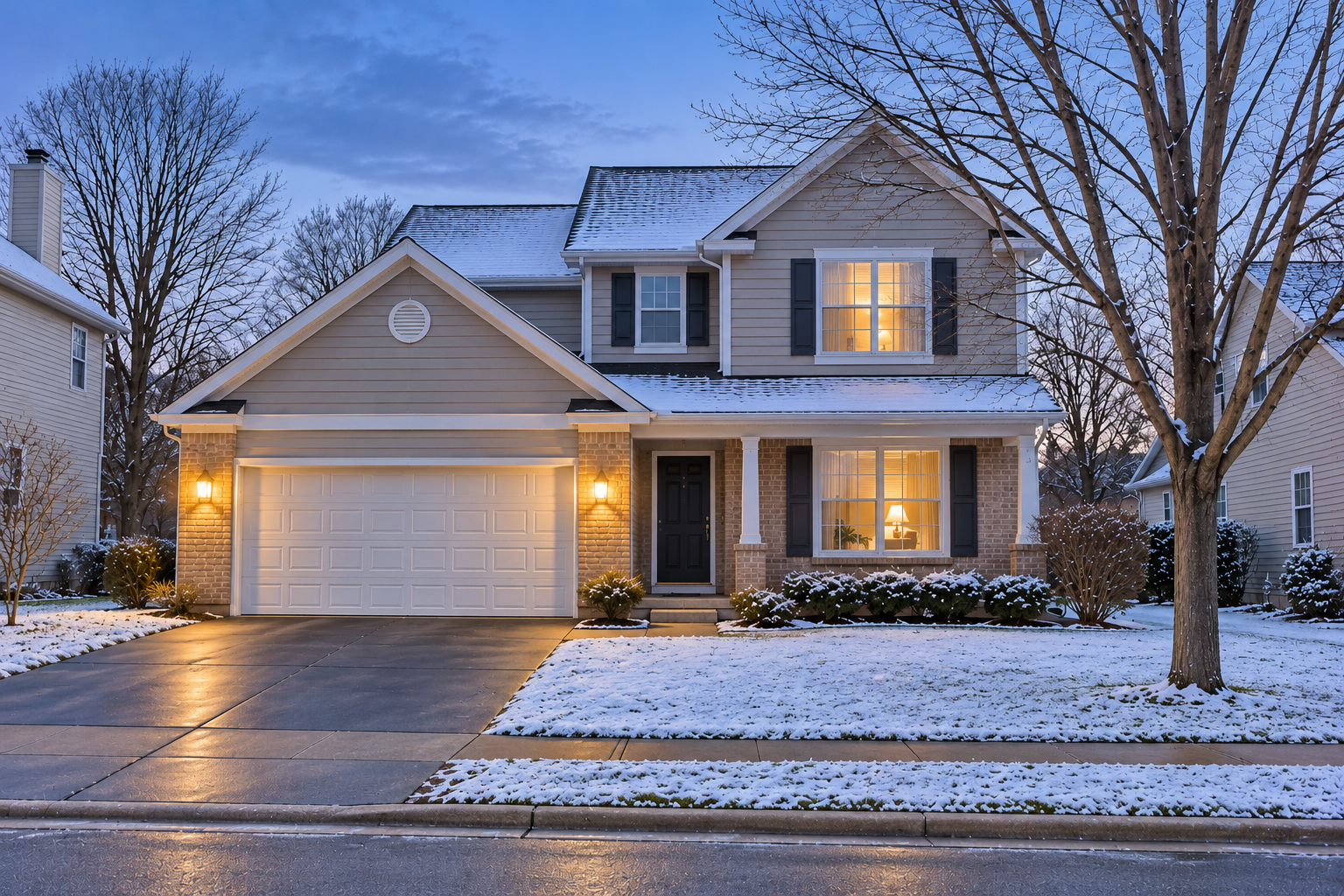
Leaving home for several months doesn't have to be complicated
With a few dependable arrangements in place, you can enjoy an extended getaway knowing your home is being looked after
The idea of spending several months somewhere warm can be exciting—until you start thinking about the house you're leaving behind. Who will collect the mail? What happens if a pipe leaks? Will someone need to shovel the driveway? And how do you know everything is all right when you're hundreds of miles away?
For some people, these questions are enough to make an extended getaway seem more trouble than it's worth. But leaving home for a few months doesn't have to be nearly as complicated as it first appears. Thousands of snowbirds and other seasonal travelers have made extended trips part of their annual routine, often relying on a handful of arrangements made before departure.
The real shift is realizing that you don't have to personally manage everything at home while you're away. You simply need a reliable way for things to be taken care of in your absence.
Your Home Doesn't Need You There Every Day
Think about everything that happens around your home during an ordinary week. The mail arrives, the lawn gets mowed, the trash goes out, and occasionally something needs attention. Most of these things happen on a predictable schedule, and many can be managed when you're away. The key is to distinguish between what requires your physical presence and what can be handled by someone else or through services you've arranged in advance. You may already have some of these arrangements in place without thinking of them as preparation for an extended absence.
Technology has made managing a home from a distance easier than ever. Automatic bill payments, security cameras, smart thermostats, and other connected devices allow homeowners to handle many routine matters from virtually anywhere. But technology has its limits. Having someone nearby who can step in when needed is one of the most valuable arrangements you can make. Whether it's a trusted neighbor, family member, or professional service, knowing there's someone available to check on things can make leaving home feel much more comfortable.
A Little Preparation Goes a Long Way
One of the biggest concerns about leaving home for an extended period is the possibility of something going wrong when no one is there to notice. A leaking pipe, a heating system that stops working, or a power outage during a winter storm can be unsettling to think about, especially if you're several states away. Fortunately, a few precautions before departure can help reduce these risks.
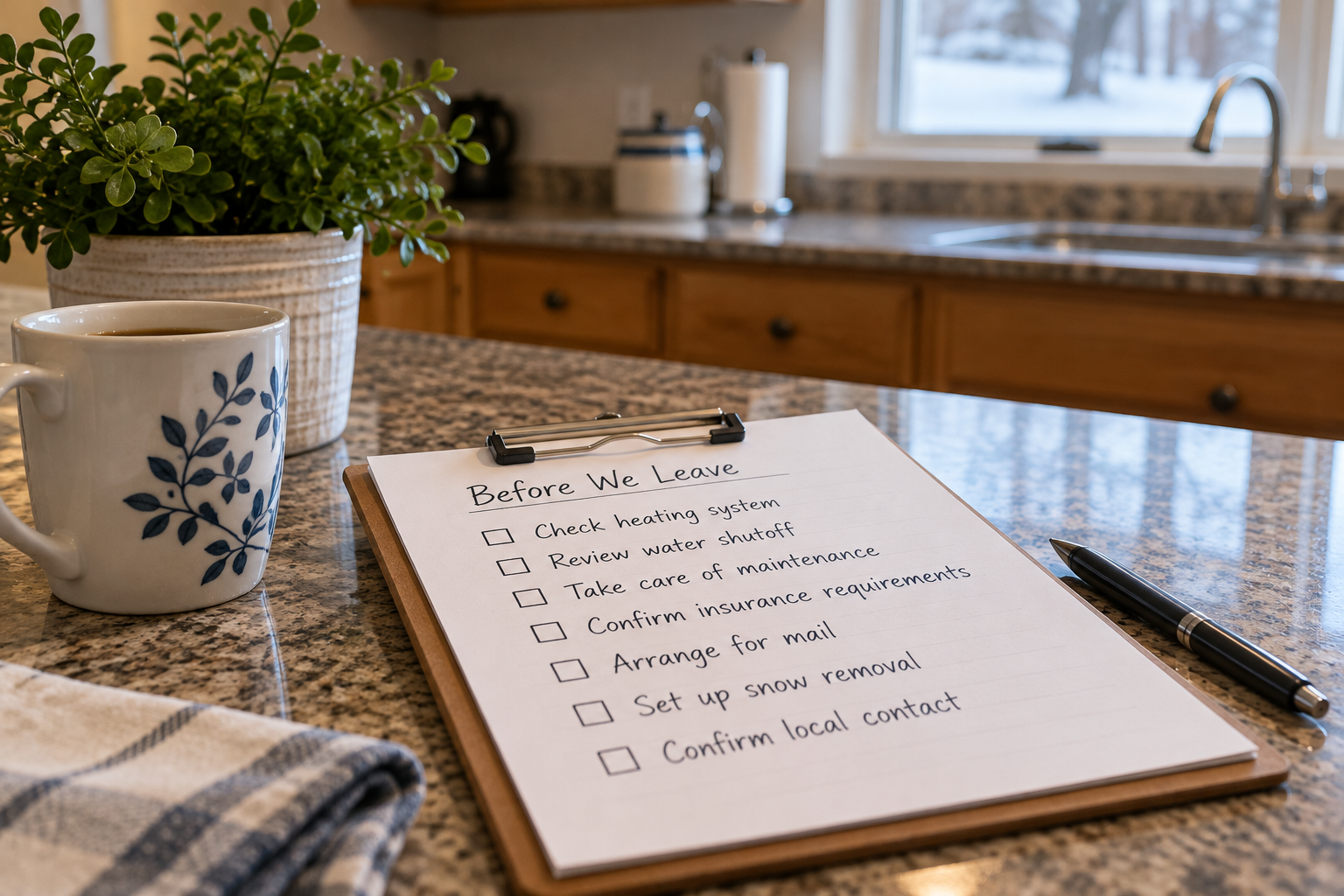
Start with the systems that keep your home running. If you're leaving a northern home during the winter, maintaining adequate heat is particularly important. Turning the thermostat down can save energy, but setting it too low could put plumbing at risk during freezing weather. The appropriate temperature depends on your home's construction, plumbing locations, and heating system. Water deserves attention, too. Some homeowners choose to shut off the main water supply before an extended trip, while others install leak detectors or automatic water shutoff devices. The right approach depends on your home's plumbing and heating arrangements, particularly if any equipment requires a continuous water supply.
It's also worth addressing minor maintenance issues before departure. A slow drip, a worn appliance hose, or a furnace that's overdue for servicing may be easy to overlook when you're home every day. Taking care of these issues before leaving can prevent unnecessary problems later. Homeowners insurance deserves attention, too. Some policies have specific requirements for properties left unoccupied for extended periods, particularly during freezing weather.
Before departure, there are a few smaller household tasks worth taking care of. Before leaving, clear out perishable food, empty the trash, unplug appliances that don't need to remain connected, and make sure outdoor faucets and hoses are prepared for freezing temperatures. It's also worth checking that smoke and carbon monoxide detectors are working properly. These are relatively simple tasks, but they're easy to forget in the excitement of getting ready for a trip.
Preparing your home doesn't mean anticipating every possible problem. It means addressing the most likely risks, putting reasonable safeguards in place, and knowing you've taken sensible precautions before heading out the door.
Taking Care of the Little Things While You're Away
It's often the everyday details, rather than the major concerns, that make leaving home for several months seem overwhelming. Fortunately, most can be handled with arrangements made well before departure.
Mail is one of the easier details to manage. Depending on your needs, you can arrange temporary mail forwarding through the U.S. Postal Service, use its paid weekly forwarding service, or have someone you trust collect your mail. Virtual mailbox services offer another alternative, allowing you to view incoming mail online and decide what should be forwarded. Switching bills and statements to electronic delivery can also significantly reduce the amount of mail that needs attention.
Outdoor maintenance is another consideration. If you're heading south for the winter, arranging for someone to clear snow from your driveway and sidewalks can help keep the property maintained and comply with local requirements. In warmer climates, landscaping and pool maintenance may be more important. These services can often be scheduled for the entire time you're away. It's also worth thinking about how your home will look from the street while you're gone. Lights on timers, a well-maintained exterior, and promptly removing unexpected deliveries can help prevent a house from appearing unattended. And while it's tempting to share your travel plans online, there's good reason to be selective about publicly announcing that your home will be empty for months.
Then there are the occasional surprises. A package delivered unexpectedly, a fallen tree branch, or a garage door that hasn't closed properly might require someone's attention. That's where having a reliable local contact becomes especially valuable.
Some seasonal travelers rely on a neighbor or family member who doesn't mind checking in periodically. But what if you don't have someone nearby? Professional home-watch services can conduct scheduled inspections to look for signs of leaks, heating problems, storm damage, or other issues that need attention. Whether you rely on someone you know or hire a service, establish expectations before leaving. Decide how often the home should be checked, what each visit should include, and who should be contacted if a problem arises. Before leaving, contact your insurance agent to confirm whether inspections, heating precautions, or additional coverage are necessary.
With clear expectations and a dependable local contact, you'll be better prepared to handle the unexpected without having to interrupt your time away.
A Little Planning Can Open Up a Lot of Possibilities
If you've been thinking about spending a few months away but keep wondering how you'd manage everything back home, remember that you don't have to figure it all out at once. Start with the essentials, make a few dependable arrangements, and build from there. Your first extended trip may take a little more preparation, but much of that groundwork can be used again. What once seemed complicated can gradually become second nature.
And that's when the real possibilities open up. Instead of wondering whether you can leave home for several months, you can start thinking about where you'd like to go, how long you'd like to stay, and what you'd like to experience. Your home will be waiting when you return. In the meantime, there's a whole lot of living you can do somewhere else.
Sources
Travelers Insurance: Snowbirds: How to Winterize Your Home While You're Away
Guidance on heating, plumbing, maintenance, home security, insurance, and emergency arrangements.
State Farm: How to Protect Your Home While South for Winter Vacation
Recommendations for securing an unoccupied home, arranging snow removal, monitoring the property, and preparing for freezing temperatures.
U.S. Postal Service: Mail Forwarding Options
Information about temporary mail forwarding and paid Premium Forwarding Service for residential customers.
About the Author
Jane Rogers is the author of Snowbird Like a Pro, a guide based on her own experience navigating the seasonal-living lifestyle. She writes about the questions, decisions and everyday realities that come with spending part of the year somewhere warmer.
Learn more about Snowbird Like a Pro
Follow Snowbird Like a Pro on Facebook for more seasonal-living information, articles and conversation.