
Winter in Naples: What El Niño Could Mean for the 2027 Season
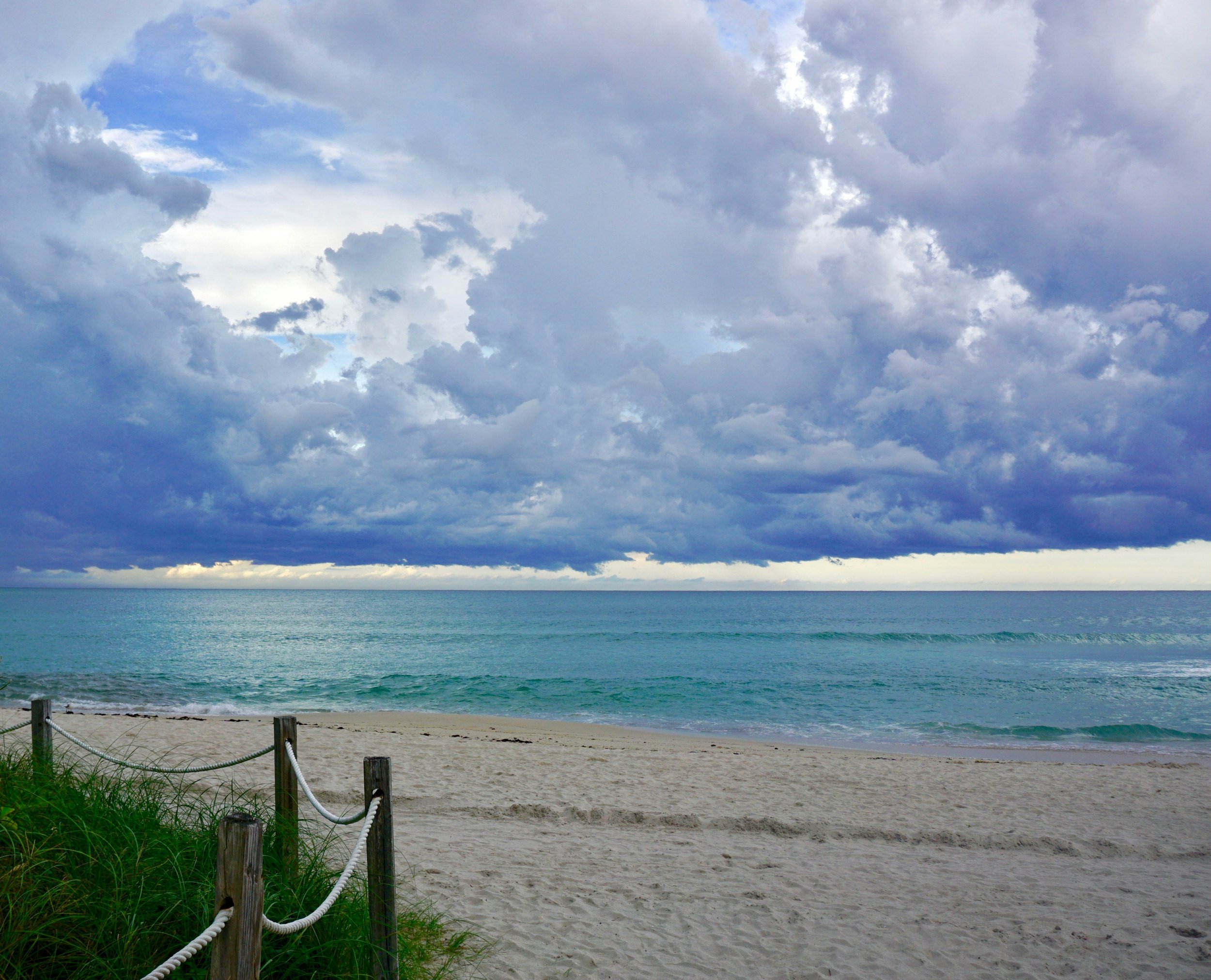
A Different Kind of Winter Forecast
More rainfall doesn't necessarily mean fewer beautiful days in Naples. Here's what seasonal residents should know about El Niño.
If you're planning to spend this winter in Naples, you may have heard that El Niño could bring more rain and stormy weather than usual to Southwest Florida. But before you start picturing three months of gray skies and rainy days, there's a little more to the story.
The National Oceanic and Atmospheric Administration (NOAA) released its winter outlook in October, anticipating that a very strong El Niño could influence weather patterns across much of the country. For Southwest Florida, that means a greater likelihood of above-average rainfall and potentially more periods of stormy weather. So, what does that actually mean for snowbirds heading to Naples?
First, What Exactly Is El Niño?
You've probably heard the term before, but you may not know exactly what it means. El Niño is a natural climate pattern that develops when ocean temperatures in parts of the tropical Pacific become warmer than usual. Those warmer waters can influence weather patterns thousands of miles away, including Florida.
During an El Niño winter, the jet stream often shifts farther south, allowing more weather systems to move across the southern United States. For Southwest Florida, that can mean more rainfall, occasional cooler temperatures, and an increased possibility of stronger thunderstorms.
NOAA's October 2026 outlook favors above-normal rainfall for Southwest Florida during December through February, but that doesn't necessarily mean a winter filled with rainy days.
More Rain Doesn't Necessarily Mean More Rainy Days
One of the reasons Naples is such a popular winter destination is that January, February, and March are normally among its driest months. According to the Florida Climate Center, Naples' average rainfall during those months is:
| Month | Average Rainfall |
|---|---|
| January | 2.70 inches |
| February | 2.06 inches |
| March | 1.92 inches |
| Three-Month Total | 6.68 inches |
That's less than seven inches of rain over three months. To put that into perspective, even if Naples received 50% more rain than normal during those three months, the total would be approximately 10 inches instead of 6.7 inches. That's just an example to illustrate the difference, not an actual prediction for this winter.
And here's the important part: Additional rainfall doesn't necessarily mean more rainy days. Much of that rain could fall during a handful of heavier storms, with stretches of dry, pleasant weather in between. Forecasters are predicting a greater likelihood of above-normal rainfall, not rain every day.
Could There Be More Stormy Weather?
Possibly. During strong El Niño winters, Florida can experience more active weather systems, including thunderstorms with heavy rain, gusty winds, and occasionally severe weather. The National Weather Service has indicated an increased potential for severe storms in Southwest Florida this winter, based in part on weather patterns observed during previous strong El Niño events.
That doesn't mean severe weather will occur regularly. It simply means the weather patterns associated with El Niño can make certain types of storms more likely. For seasonal residents, it may mean occasionally adjusting outdoor plans and paying closer attention to short-term weather forecasts.
What About Localized Flooding?
You may have seen reports of flooding in Naples recently. In early October 2026, several inches of rain fell during unusually high tides, leaving some streets underwater, temporarily closing roads and disrupting traffic. Much of the water receded as tidal conditions improved.
If this winter brings more rain than usual, localized flooding could become a concern, particularly when heavy rainfall coincides with high tides. Low-lying areas near the coast and waterways may be especially vulnerable. That doesn't mean flooding will occur throughout Naples or that every heavy rainfall will cause problems, but it's something worth being aware of, especially when traveling through areas that have experienced flooding before. During periods of heavy rain, checking local weather alerts and road conditions before heading out is a sensible precaution. Never attempt to drive through flooded roads.
Putting the Forecast in Perspective
Of course, there's another side to this story, especially if you're heading south from somewhere like Chicago, Detroit, Cleveland, or Buffalo. Even a wetter-than-normal winter in Naples is generally a very different experience from spending January and February in the Midwest or Northeast.
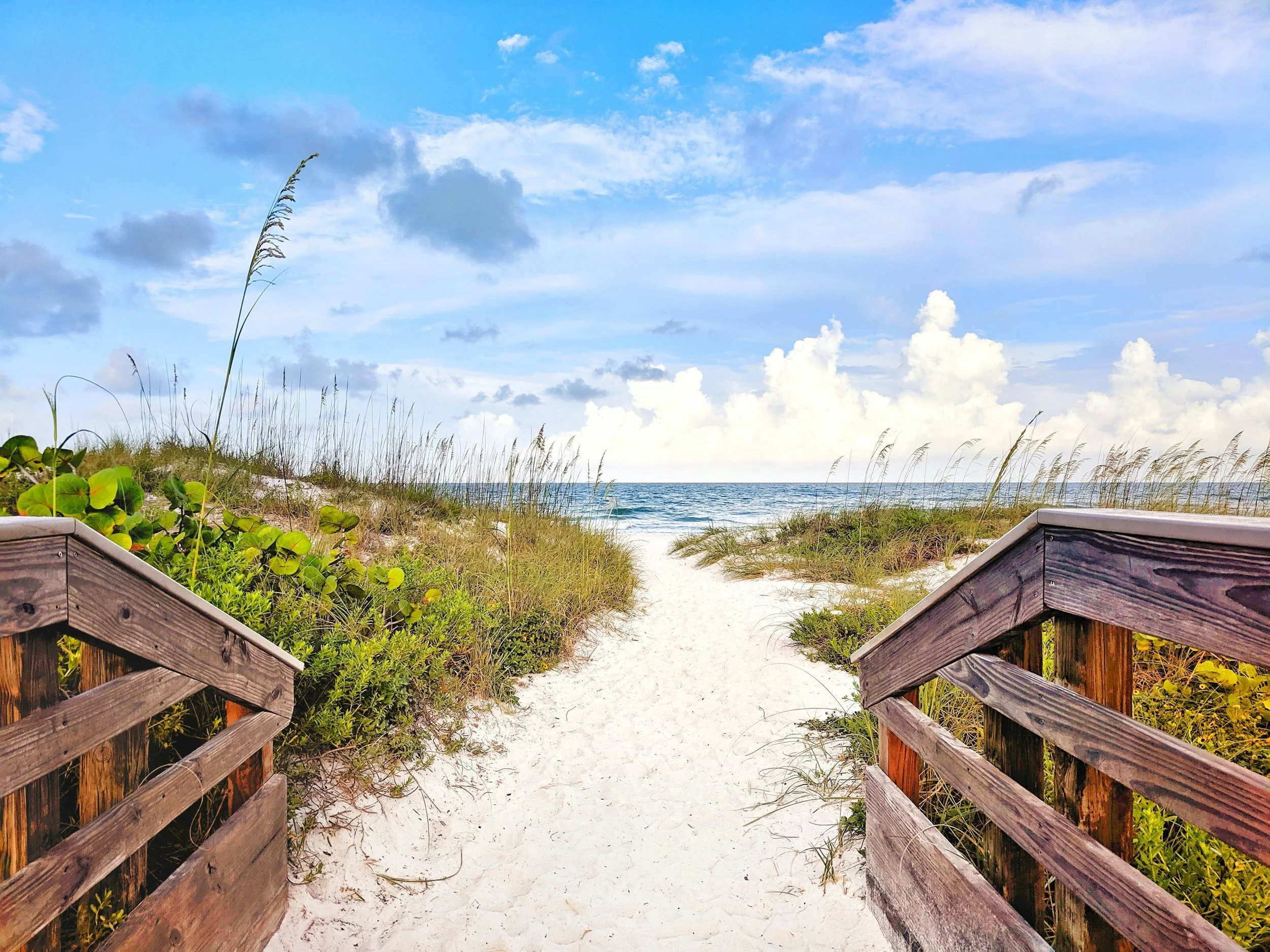
Naples' average daytime high temperatures are in the mid-70s during January and February, climbing toward 80 degrees in March. While cooler days certainly occur, snow-covered driveways, icy sidewalks, and freezing temperatures aren't part of the usual winter routine.
And spending the winter in Naples is about more than the weather. There's the opportunity to walk along the beach, enjoy outdoor dining, explore the area, and settle into a lifestyle that's difficult to maintain during the coldest months up north. If an occasional rainy day changes your plans, Naples also offers museums, galleries, theater, restaurants, and plenty of other ways to spend an afternoon.
What Should Snowbirds Take Away From the Forecast?
The possibility of a wetter winter is worth knowing about, but it's not a reason to assume your time in Naples will be less enjoyable. Seasonal forecasts tell us which weather patterns are more likely, but they can't predict how many sunny days there will be, when individual storms might arrive, or how much any particular winter stay will be affected.
For now, the best approach is to stay informed, keep outdoor plans flexible, and pay attention to short-term forecasts as the season progresses. After all, one of the advantages of spending several months in Naples is having the time to enjoy the good-weather days when they come along, rather than trying to fit everything into a weeklong vacation.
A Note About the Forecast
Long-range weather outlooks describe general climate patterns and probabilities, not specific weather conditions on individual days. While El Niño may increase the likelihood of above-average rainfall and stronger storms in Southwest Florida, actual conditions can vary considerably.
This article is based on weather outlooks available in October 2026. NOAA's primary winter outlook covers December through February, although El Niño's influence may extend into early spring. Forecasts are updated regularly, and seasonal residents should consult the National Weather Service for the latest information.
Sources and Further Reading
Forecast information reviewed October 23, 2026.
About the Author
Jane Rogers is the author of Snowbird Like a Pro and the founder of JRogers Publishing. Having spent several winters in Naples, Florida, she writes about local destinations, seasonal living, and the practical realities of spending part of the year somewhere warmer.
Learn more about Snowbird Like a Pro
Follow Naples Snowbirds & Seasonal Residents on Facebook for more articles, local discoveries, and useful information about seasonal living in Naples.