
Buying a Winter Home? Look Before You Leap
A Place of Your Own in the Sun
Owning a winter home can be exciting. But before purchasing, there are a few things worth considering.
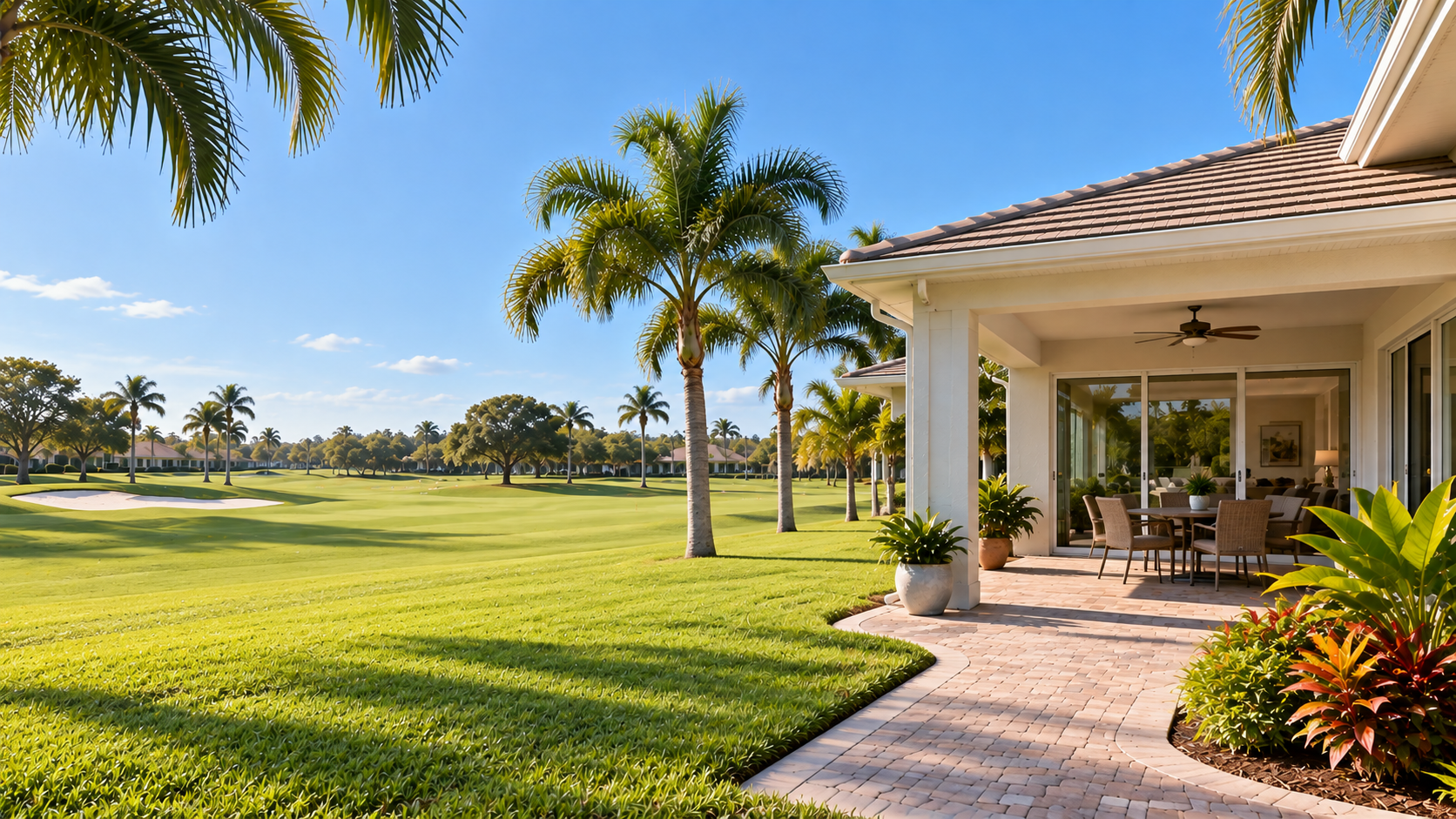
The idea of owning a winter home can be appealing. A place of your own to escape the cold, return to year after year, and settle into a different pace of life. For many people considering the snowbird lifestyle, purchasing a second home feels like a natural next step.
But there's a difference between enjoying a destination on vacation and living there for several months at a time. What seems ideal during a week or two away may feel quite different when everyday routines replace vacation activities. And while owning a winter home can be a wonderful experience, there's more to consider than finding a property you love. How you envision spending your winters, the financial commitment you're comfortable making, and your plans for the years ahead all play a part in the decision.
What Will Seasonal Living Look Like for You?
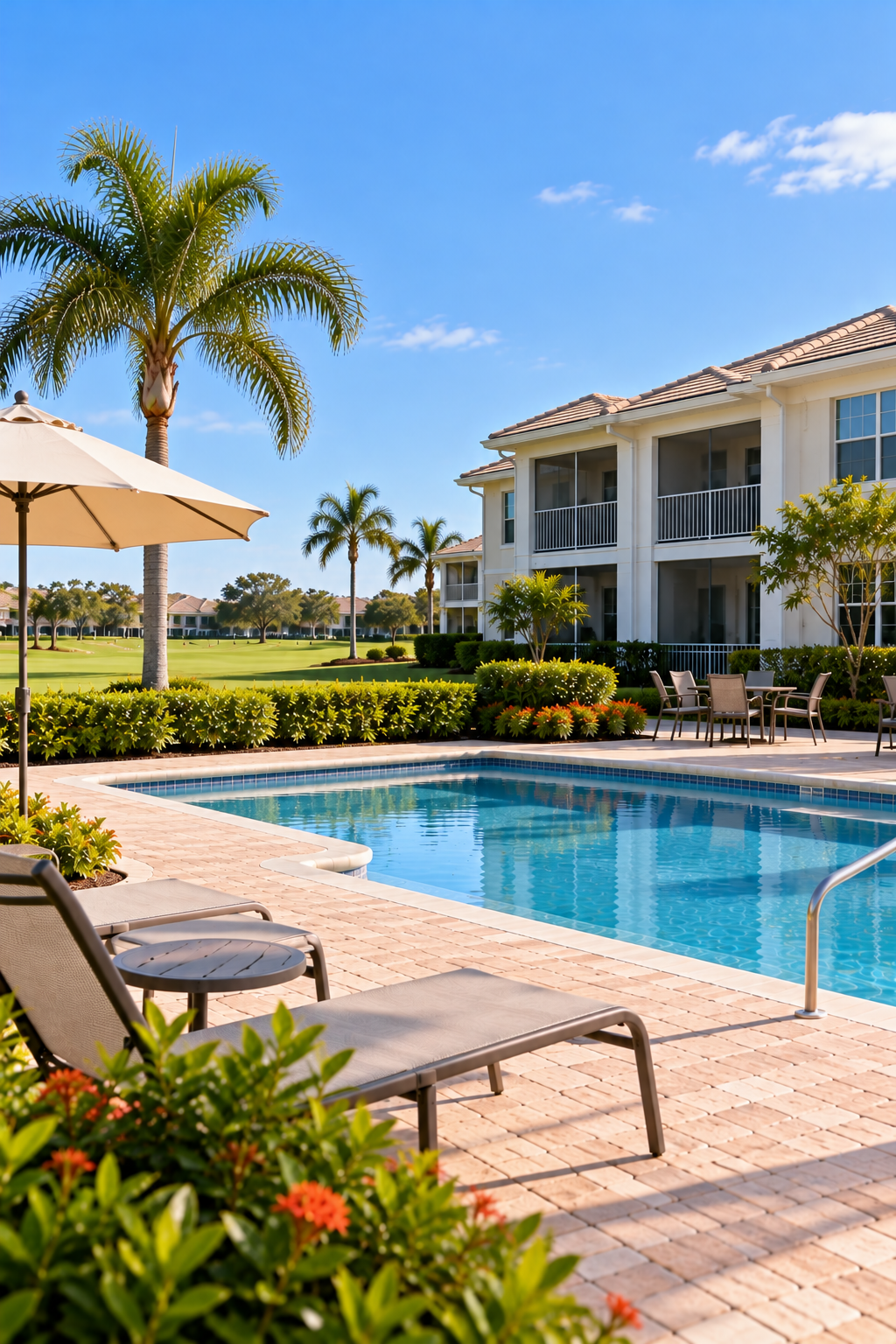
If you're considering purchasing a winter home, I can't stress enough the importance of renting for a season first, if possible. Personally, I always thought I'd eventually purchase a winter home. But after spending a few seasons away, I discovered that the flexibility of renting better suits my particular circumstances. Giving the lifestyle a "test drive" before making such a significant commitment can help you find clearer answers to a few important questions:
How long do you want to stay? Three months may feel just right, or you might discover you'd happily stay for six. Until you've spent an extended period away, it's difficult to know how much time you'll enjoy being gone.
Where is your ideal location? A place you love visiting may feel different when you're living there for several months. You may find that you enjoy the area even more once you get beyond its vacation appeal, or discover that another location would suit you better.
Will the location suit your lifestyle? Daily routines, social connections, and finding things you enjoy doing regularly all contribute to how comfortable and settled you feel. It's worth discovering what an ordinary Tuesday looks like, not just a beautiful Saturday afternoon.
How will you travel back and forth? Will you drive to your winter home, fly, or have your vehicle transported? Some seasonal residents choose to leave a car at their winter destination and store it during the off-season. Consider the time, convenience, and expense of each option, including whether you'll need a vehicle once you arrive. Your travel arrangements can make a difference in how easily seasonal living fits into your lifestyle.
House, condo, or townhome? The size, layout, location, and amenities that appeal to you during a vacation may not be what you want for an extended stay. A condominium that feels perfect for two weeks might seem a little cramped after three months, particularly if you enjoy having family or friends visit. You may discover that an extra bedroom or bathroom matters more than some of the amenities you originally thought were essential.
Do you prefer variety? You may love the idea of returning to the same familiar home every winter, with your belongings waiting for you. Or you might discover that you'd rather experience different destinations before settling on one.
The more you understand about how you want to spend your winters, the easier it becomes to recognize a property that truly suits your needs. And sometimes, what you discover along the way may be quite different from what you originally imagined.
What to Consider Financially Before Making the Purchase
For many snowbirds, owning a winter home is both financially comfortable and personally rewarding. Still, the purchase price is only one part of the financial picture. As you think about ownership, consider which of these expenses and decisions are most relevant to your circumstances:
The initial investment. Beyond the purchase price and closing costs, you may need furniture, kitchen essentials, linens, and all the little things that make a house feel like home. Even a furnished property may need some changes to suit your tastes and needs.
Ongoing ownership expenses. Property taxes, insurance, homeowners association fees, utilities, and regular maintenance continue whether you're there or not. It's worth looking at the total annual cost rather than thinking only about the months you'll spend in the home.
Residency and property tax benefits. Take Florida, for example. The state offers property tax benefits to homeowners who establish their permanent residence there. Simply owning a winter home or spending six months in Florida doesn't automatically qualify you. If you're considering establishing residency, check with the county property appraiser and a tax professional to understand the requirements and potential benefits. Additional information for Florida is available in the Sources section below.
Unexpected and occasional costs. Appliances need replacing, air conditioning systems require attention, and properties need updating. If you're considering a condominium, investigate the association's financial condition and whether major repairs or special assessments are anticipated. Planning for these expenses can help prevent unwelcome surprises.
Caring for your winter home while you're away. When you return north for the summer, your winter home will still need occasional attention. You may want someone to check on the property regularly, coordinate maintenance, or respond if a problem arises. These arrangements can provide peace of mind, but any associated costs should be included in your plans.
Real estate market conditions. Before beginning your property search, consider talking with a knowledgeable local Realtor. They can help you understand different neighborhoods, property prices, available inventory, and market trends. Mortgage rates and negotiating opportunities can also change over time. Understanding the local market can help you recognize a property that suits your needs at a reasonable price.
Renting your seasonal home while you're away. If you spend only part of the year in your winter home, renting it out during the months you're back north may help offset ownership expenses. A local Realtor or property management company familiar with seasonal rentals can help you evaluate demand, potential income, and management responsibilities. Be sure to check local regulations and any condominium or HOA restrictions before making plans.
The long-term financial picture. How many months will you realistically spend in your winter home each year, and how does the overall cost of owning compare with renting for that period? A property may appreciate in value, but there are ongoing expenses to consider. For many people, the convenience and enjoyment of ownership make the investment worthwhile regardless of the financial return.
What's your exit plan? Your circumstances may change over the years. You might decide to spend more time at your primary residence, move to your winter destination permanently, or try somewhere new. Consider how easily you could sell the property, what the selling expenses might be, and whether keeping it as a rental would be an option. Thinking ahead can give you more flexibility if your plans change.
There's no need to let the financial considerations turn into an endless exercise in weighing every possible expense or what-if. The goal here is to understand the commitment well enough to make a decision that feels right for your circumstances. After all, you could spend so much time considering every possibility that another winter comes and goes while you're still thinking about it!
A Personal Perspective
When my parents sold their winter condominium after more than 20 years of ownership, my father shared an observation that stayed with me. After considering the maintenance, necessary upgrades, association fees, and the cost of having someone check on the property while they were away, he estimated that they had essentially broken even financially.
They were perfectly comfortable with that outcome. They had enjoyed more than two decades of winters in a place of their own, and the pleasure of those years was worth far more to them than any financial gain they might have made.
Finding What Works for You
For many snowbirds, owning a winter home offers something special. There's the comfort of returning to a place that's truly your own, with your favorite belongings waiting and everything just the way you left it. Ownership also provides greater control over when you come and go, without having to arrange accommodations each season. Returning to the same neighborhood year after year can help you establish friendships, familiar routines, and a real sense of belonging.
Of course, some seasonal residents find that renting suits them perfectly. They may enjoy returning to the same rental each winter or prefer the freedom to explore different destinations without the responsibilities of maintaining another property.
So how do you know when you're ready to purchase?
When you've gathered enough information to make a decision with confidence. Once you understand what you want, what you can comfortably afford, and what ownership involves, the decision often becomes much easier.
Buying a winter home can be the beginning of many wonderful years of seasonal living. And if you decide ownership isn't quite right for you, there are still plenty of ways to enjoy spending your winters somewhere warm.
After all, the dream was never really about owning a second home. It was about what you hoped life would be like when you got there.
Sources
Florida Department of Revenue
Florida Department of Business and Professional Regulation
About the Author
Jane Rogers is the author of Snowbird Like a Pro, a guide based on her own experience navigating the seasonal-living lifestyle. She writes about the questions, decisions and everyday realities that come with spending part of the year somewhere warmer.
Learn more about Snowbird Like a Pro
Follow Naples Snowbirds & Seasonal Residents on Facebook for articles, local information, and insights into seasonal life in Naples.