
Renting for the Winter? Don't Forget to Check Your Insurance
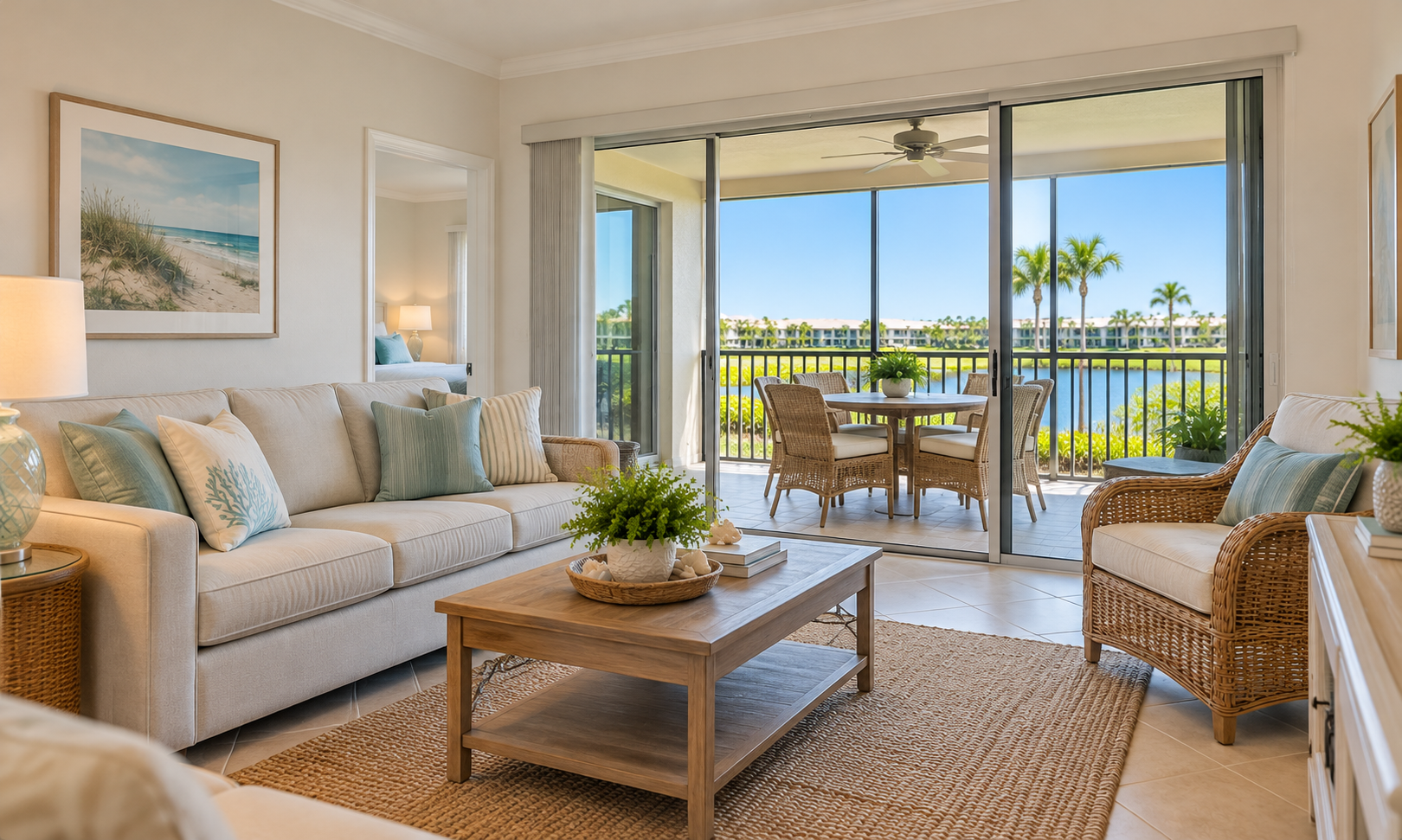
Does the property owner's insurance cover you?
When renting a furnished home or condo for the winter, it's worth checking what insurance protection you already have and whether additional coverage might be needed.
When planning a seasonal rental, most of us focus on finding the right location, choosing a comfortable property, reviewing the rental agreement, and figuring out the costs. Insurance may not even cross our minds. After all, the property owner has insurance, so wouldn't that take care of things?
Not necessarily. The owner's insurance generally protects the property, but it doesn't typically cover your personal belongings or provide personal liability protection for you as a renter.
If you're renting a furnished home or condo for several weeks or months, here are a few things worth checking:
Existing coverage: Does your homeowners or renters insurance extend to your seasonal rental?
Personal belongings: Are the items you bring with you protected?
Accidental damage: What happens if you damage something belonging to the property owner?
Additional insurance: Would you need another policy, and what might it cost?
Your primary residence: Does being away for several months affect your homeowners insurance?
What Insurance Coverage Do You Already Have?
You may already have some of the protection you need. Many homeowners and renters insurance policies provide coverage for personal belongings away from home, and some liability protection may extend to a temporary residence. However, coverage limits and exclusions can apply, particularly when you're staying somewhere for several months rather than taking a short vacation.
Before purchasing additional insurance, contact your current provider. Explain where you'll be staying, how long you'll be renting, and whether the property is furnished. Ask whether your belongings, personal liability, and temporary lodging expenses would be covered during your stay.
What If You Accidentally Damage Something?
Suppose you accidentally damage the owner's furniture, flooring, or appliances. Would insurance cover the repair or replacement costs? Not necessarily. Depending on your rental agreement, you may be responsible for the damage, and the owner may be entitled to deduct certain costs from your security deposit. Some insurance policies cover particular types of accidental damage, while separate damage protection plans may offer additional protection. However, these plans aren't the same as renters insurance and may not cover your personal belongings.
Also check the deductible, if applicable. That's the amount you're responsible for before insurance pays an eligible claim. Deductibles commonly apply to personal property coverage, while liability coverage may work differently.
How Much Does Additional Insurance Cost?
According to the National Association of Insurance Commissioners, standard renters insurance generally costs about $15–$30 per month. However, coverage for a seasonal rental may have different pricing or policy requirements. Some insurers issue annual policies even when you're renting for only a few months. Others may offer arrangements for shorter stays or allow cancellation when your rental ends.
Insurance quotes are often available online, but before purchasing, confirm that the policy covers your rental dates, the type of property you're renting, and the protection you need. Ask about minimum policy terms, deductibles, and cancellation conditions.
Don't Forget the Home You're Leaving Behind
If you're spending several months away from your primary residence, it's also worth checking whether your homeowners insurance has any requirements concerning extended absences. Some policies have restrictions or precautions involving unoccupied homes, particularly during winter. Your insurance provider can explain whether anything needs to be done before you leave.
One More Item to Check Off Your List
Insurance is just one of the many details involved in planning an extended winter stay. You may already have adequate protection through your existing policies, so additional coverage isn't necessarily required. Before heading south, review your rental agreement and contact your insurance provider with your rental address and dates. A few questions may be all it takes to determine whether you need anything additional.
Sources and Further Reading
National Association of Insurance Commissioners — Insuring Your Winter Vacation Experience
NAIC — Renting Your Home? Protect Your Belongings with Renters Insurance
This article provides general information, not insurance or legal advice. Coverage, costs, and policy requirements vary. Consult your insurance provider to verify coverage for your particular seasonal rental.
About the Author
Jane Rogers is the author of Snowbird Like a Pro, a guide based on her own experience navigating the seasonal-living lifestyle. She writes about the questions, decisions and everyday realities that come with spending part of the year somewhere warmer.
Learn more about Snowbird Like a Pro
Follow Snowbird Like a Pro on Facebook for more seasonal-living information, articles and conversation.